Employee Advocacy
Adding useful context in comments
Learn how to add a useful condition, distinction or question to a professional comment without overclaiming or changing the subject.

Archive
Employee Advocacy
Learn how to add a useful condition, distinction or question to a professional comment without overclaiming or changing the subject.
Profile Craft
Keep social replies truthful about who read and answered them, and understand LinkedIn’s rule on third-party website automation.
Employee Advocacy
Write a short, truthful connection note that explains your shared professional context without a disguised sales pitch.
Programme Reviews
Review a B2B organic social programme through audience fit, relevant responses and effort, then set editorial and resourcing priorities.
Content Operations
Set clear owners for B2B social ideas, claim reviews, author approval, publishing and corrections while keeping the approved version traceable.
Thought Leadership
Plan B2B thought leadership around a reader decision, a supported perspective and clear limits. Review the argument before choosing a format.
Thought Leadership
Give company news a clear reader consequence and expertise a real question to answer. Use these checks to plan a useful LinkedIn Page mix.
Profile Craft
Build a professional profile that explains your current work, aligns its sections and gives visitors relevant evidence they can assess.
Employee Advocacy
Decide when a LinkedIn connection is appropriate, explain the real context and keep the relationship useful after acceptance.
Content Operations
Connect LinkedIn newsletter issues through a clear series promise, useful context and distinct decisions without making new readers start at issue one.
Content Operations
Set a LinkedIn company Page posting rhythm around useful material, review capacity and reader responses, then adjust it for a clear reason.
Content Operations
Decide when a document post helps readers follow a process, give each page a purpose and check the file they can download.
Thought Leadership
Set an organic LinkedIn objective around what a relevant B2B reader should understand or do, then interpret impressions and responses with care.
Content Operations
Find a professional question with enough depth for a useful LinkedIn newsletter series, then test its audience, boundaries and sustainability.
Profile Craft
Choose work samples, credentials and recommendations that support specific profile claims, with clear limits and context.
Employee Advocacy
Get usable practitioner input with focused prompts, clear notes and a meaning check before drafting a B2B social post.
Company Pages
Choose between a LinkedIn company Page and an employee profile by checking who owns the claim, speaks for it and handles follow-up.
Content Operations
Group B2B social content by the reader problem and decision it addresses, then compare answer quality, responses and gaps.
Employee Advocacy
Plan related Page and employee posts with distinct reader questions, shared facts and clear timing while keeping each willing author's own voice.
Employee Advocacy
Verify an error, choose an edit or replacement, and make a material correction clear to readers.
Content Operations
Prepare and check captions for a short LinkedIn expert video, including SRT files and the limits of automatic caption review.
Programme Reviews
Weigh a social activity's reader purpose, relevant response, workload and alternatives before deciding to maintain, change, pause or stop it.
Profile Craft
Define a B2B professional audience by its decisions, constraints and questions, then check whether your LinkedIn content serves that group.
Programme Reviews
Check audience fit, answer clarity and response routes when a B2B social post has reach but few relevant replies.
Thought Leadership
Use an independent-value test to see whether a B2B piece explains a decision or chiefly promotes an offer, then choose the right destination.
Employee Advocacy
Plan employee advocacy around willing contributors, accurate company facts and useful audience responses without turning personal profiles into posting targets.
Profile Craft
A professional post does not need to finish with “What do you think?” when the body has already made its point. Use the ending to complete the reader's …
Company Pages
Compare follower growth with your intended professional audience using Page or profile analytics, responses and careful interpretation.
Profile Craft
Describe professional expertise through actual responsibilities, clear scope and evidence without overstating a role or result.
Profile Craft
Find professional discussions worth following, decide when to contribute and turn recurring questions into useful content.
Employee Advocacy
Create concise, verified fact cards with conditions and disclosure limits so employees can share informed views in their own words.
Content Operations
Understand what LinkedIn impressions show and assess comments, saves and enquiries against the purpose of an organic post.
Employee Advocacy
Invite employees to contribute expertise voluntarily, offer choices beyond posting, and keep personal profiles free of repost targets.
Content Operations
Build a dated record of public company claims with evidence, scope, owners, status and a route to review posts when facts change.
Company Pages
Plan LinkedIn company Page content around useful answers and clear updates, then review each post against the reader need it serves.
Thought Leadership
Choose between LinkedIn posts, articles and newsletters, plan a useful series, and assess readership without confusing subscribers with readers.
Content Operations
Make LinkedIn document slides easier to read on a phone by simplifying each page and checking contrast, reading order and the shared PDF.
Profile Craft
Assess a proposed text, video or document post by the information it adds for readers, its accessibility and its upkeep.
Programme Reviews
Review employee advocacy through useful audience responses and editorial learning while respecting private member analytics and separate Page results.
Programme Reviews
Keep a practical record of organic professional posts, platform measures, relevant responses and website outcomes without overstating what they prove.
Content Operations
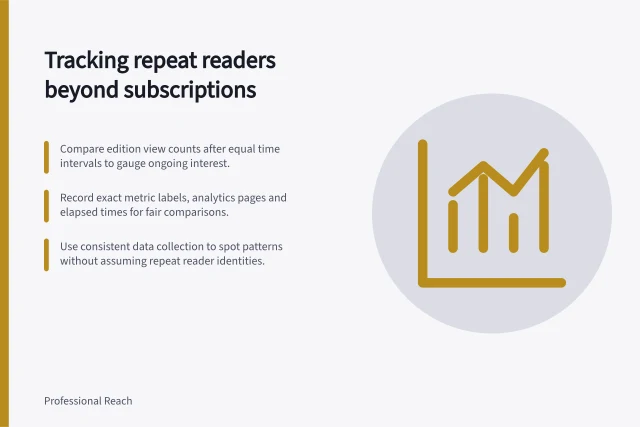
Use LinkedIn newsletter views, sends and reader responses to assess continuing interest while respecting the limits of aggregate analytics.
Employee Advocacy
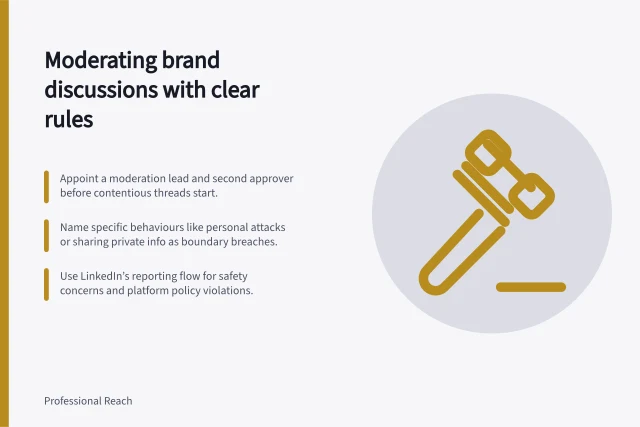
Set fair discussion rules, distinguish criticism from abuse, and choose the right LinkedIn comment controls for a brand thread.
Profile Craft
The first lines of a professional post should tell a relevant reader what the post is about. A vague teaser may earn a pause but gives little reason to trust the …
Programme Reviews
Plan organic LinkedIn marketing around a defined B2B audience, credible contributions, appropriate publishing identities and useful outcomes.
Programme Reviews
Agree how B2B marketing and sales answer social responses, recognise explicit enquiries and pass useful context without assuming buying intent.
Employee Advocacy
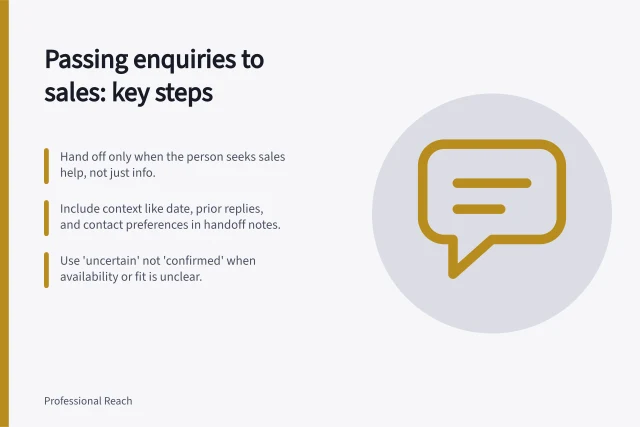
Decide when a social enquiry belongs with sales, pass the context needed to answer it and close the loop with the person.
Content Operations
Capture customer and industry questions with their context, verify an answer and turn suitable questions into useful LinkedIn Page posts.
Thought Leadership
Build a relevant professional audience by following industry questions, making contextual connections and reviewing who actually responds.
Programme Reviews
A practical approach to professional social discussions: add context, respond to criticism, correct errors and moderate fairly.
Programme Reviews
Review roles, claims, links and work samples so a professional social profile gives an accurate account of current work.
Thought Leadership
A useful professional post tells a specific reader what happened, what the writer learned or how to make a decision. The opening should name the subject; the body …
Thought Leadership
Choose video, document or text for a professional explanation, then check captions, file accessibility and the reader experience.
Content Operations
Record the actual social question or action, separate assumptions and protect personal information before assigning a sales status.
Profile Craft
Find unsupported profile claims, check their implied scope and decide whether to verify, narrow or remove them.
Thought Leadership
Replace broad leadership slogans with a decision, method or condition readers can use. See a practical line-by-line editing test.
Employee Advocacy
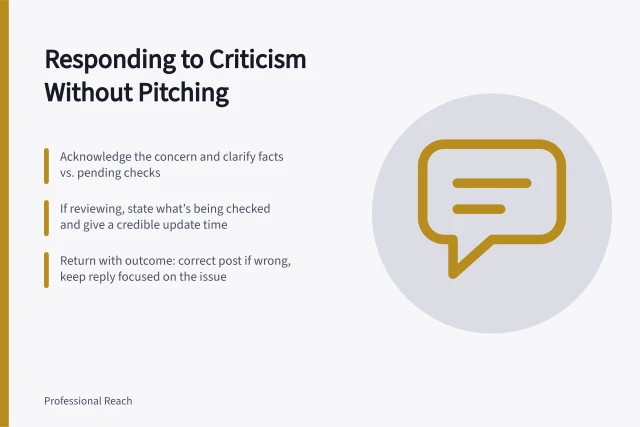
Address criticism in a professional social discussion with a specific answer, clear limits and a useful follow-up instead of a sales pitch.
Profile Craft
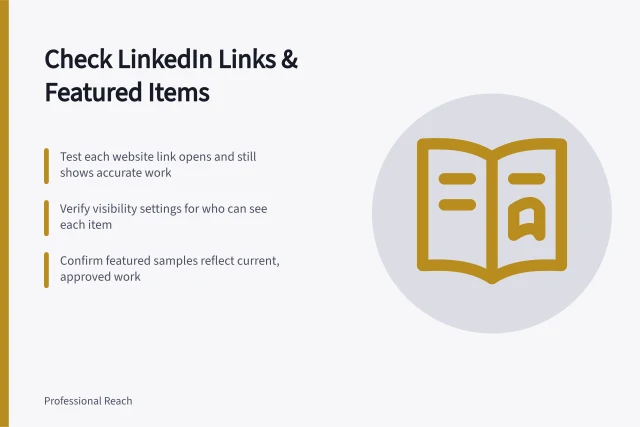
Review profile links and Featured samples for working destinations, accurate context, permissions and visitor visibility.
Content Operations
Find technical and performance claims, route them to the right owners and approve the exact wording and limits before a B2B social post goes live.
Content Operations
Decide when a topic needs a complete LinkedIn newsletter edition, when one short post is enough, and how their roles can work together.
Profile Craft
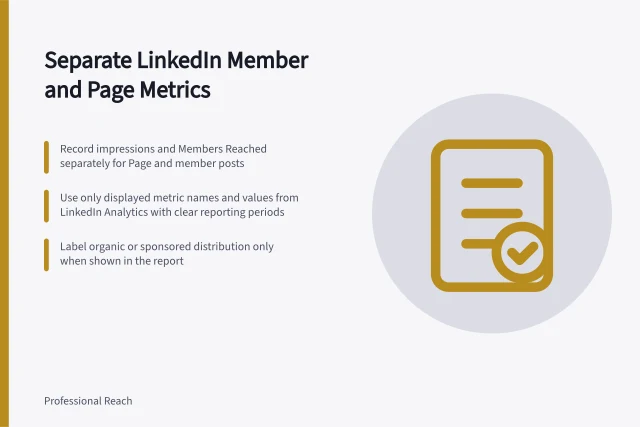
Keep LinkedIn member and company Page analytics distinct, label paid distribution and avoid unsupported combined-reach claims.
Thought Leadership
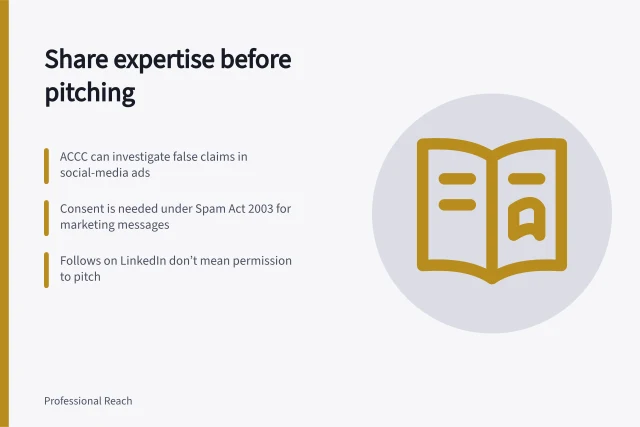
Share a useful B2B explanation, then assess the context and channel before making individual contact.
Thought Leadership
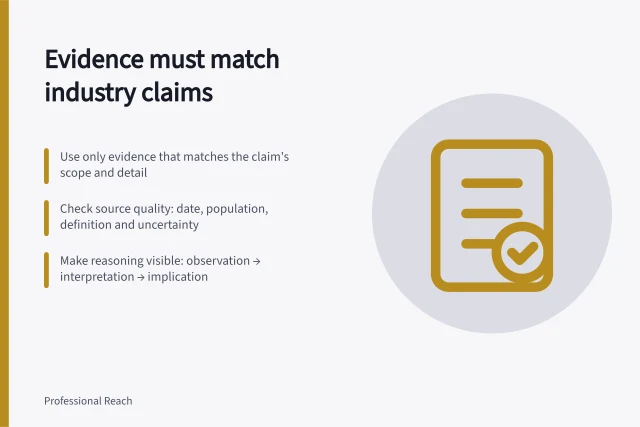
Check the claim, source scope, date and uncertainty before using evidence in an industry opinion. Keep interpretation separate from observation.
Thought Leadership
Define a specific professional decision, publish distinct answers and review relevant responses before committing to a narrower social topic.
Content Operations
Tag organic LinkedIn links, verify a website enquiry event and interpret GA4 session attribution against contacts actually received.
Profile Craft
Extract one defensible lesson from a practitioner’s work by separating the decision, observation and limits of a shareable example.
Profile Craft
Update a professional profile after a career shift while distinguishing current work, past experience and future direction.
Profile Craft
A customer example can make a professional point concrete, but changing the name is not enough if the remaining details identify the person or business. Decide what …
Profile Craft
A professional story can be useful even when nobody “failed spectacularly”. Explain the situation, the decision and what it changed, using detail that helps a peer …
Profile Craft
Write a professional profile headline that names your real work, adds useful context and stays consistent with your experience.